Recently on Instagram, a certain formerly independent bookstore posted the following self-identified hot take: "We don't need any more re-writes of classics." As someone who just sent final edits on a re-imagining of Pinocchio to her publisher, I hope this is indeed an unpopular opinion. In the horror space where I primarily play, this certainly seems to be the case. Contemporary releases abound with reinterpretations of classic stories. Acclaimed authors like A.C. Wise, Cynthia Pelayo, and Mona Awad draw from the already dark source material of fairy tales to explore timeless and timely themes like beauty standards, power imbalance, and generational trauma. Gwendolyn Kiste and Kiersten White center slighted characters from classic literature such as Jane Eyre's Mrs. Rochester and Dracula's Lucy Westenra. Other horror writers, including Erika T. Wurth, V. Castro, and Rachel Harrison, find inspiration from traditional monsters of folklore like La Llorona, the Lofa, and the Wendigo. Maybe this is a hot take as well, but I'd go so far as to say every story about a vampire, werewolf, witch, or ghost is a kind of retelling. The same could be said for fantasy with fairies, dragons, or elves. Pick any genre and you'll find the same tropes and stock characters running throughout. Like musicians, we writers aren't inventing the building blocks, rather arranging them in new and (hopefully) compelling ways. And that's a good thing. Art only exists in relationship. Context, including the artist's background and influences, helps define meaning and motivation. This also contributes to the lasting impact of a work, as its resonance may evolve over time, changing with each location, historical period, and individual patron.
The most important aspect of adapting a classic tale is not where it lands on the spectrum of source accuracy versus originality, but motivation. Why an author chooses to revisit familiar characters and worlds will determine how the story changes. Maybe, as in the examples above, you want to elevate a traditionally side-lined or voiceless character, making space for different, often marginalized perspectives. Or perhaps you approach retelling as resurrection, raising a long-buried idea to reexamine it through a contemporary lens. Regardless, the next generation of readers and writers are primed for retellings as evidenced by the rise of fan fiction. As a society, we return to beloved characters, worlds, and plot structures for many reasons, from seeking comfort in the familiar to desiring repair of a harmful stereotype. Working in an intertextual way, with an awareness of how your story exists in conversation with literary tradition, both broadens and deepens impact. You'll have a wealth of potential comparative titles and therefore a pre-existing readership, meeting fans where they are, with the opportunity to alter and expand the way they see common concepts.
I would argue we need retellings more than ever, for as they say about history, those who forget the past are doomed to repeat it. We need reimaginings of stories from different cultures, groups, and time periods, especially ones overlooked by the dominant social class.
So, what's your take on retellings? Love 'em or leave 'em?
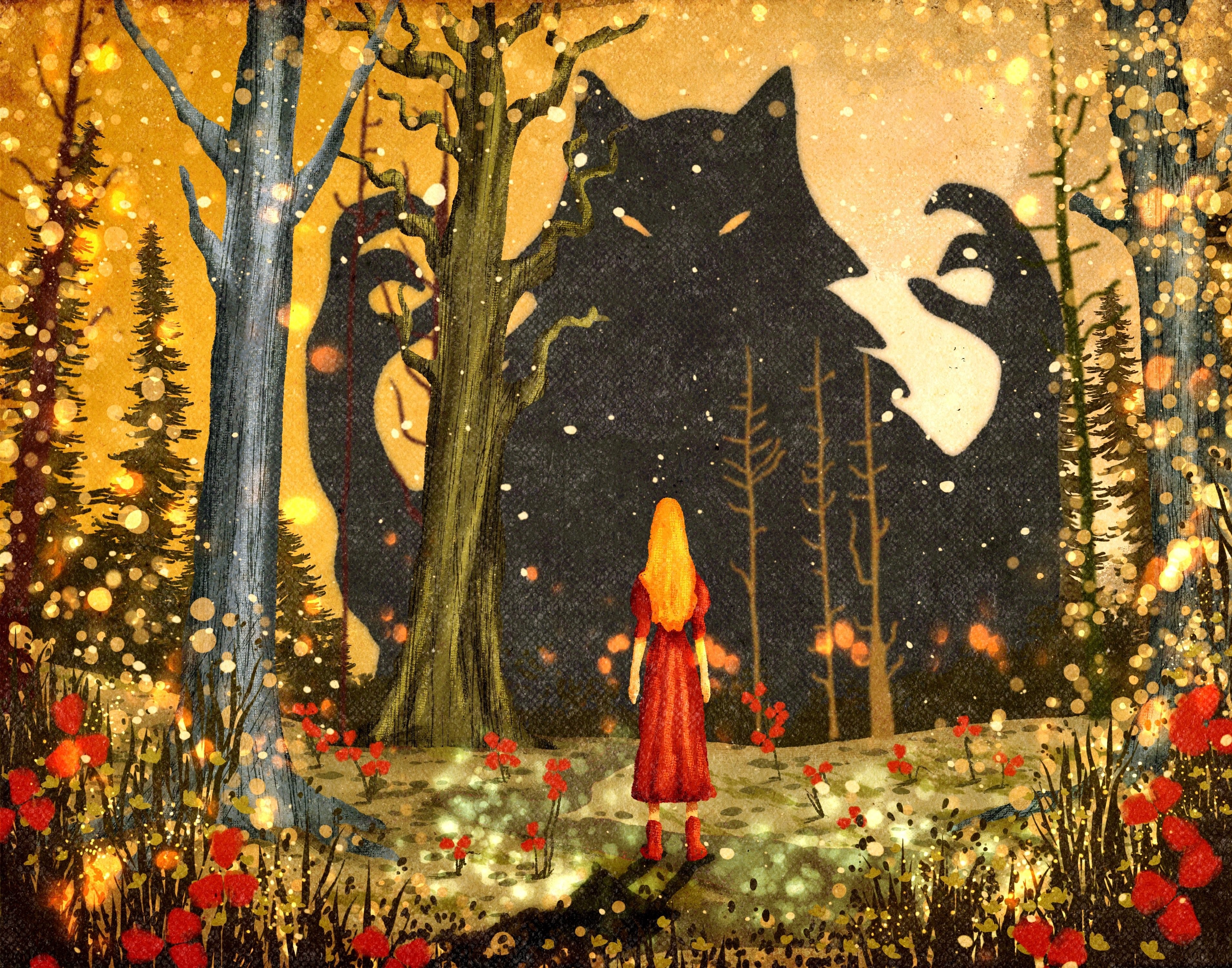
Image by Betidraws from Pixabay
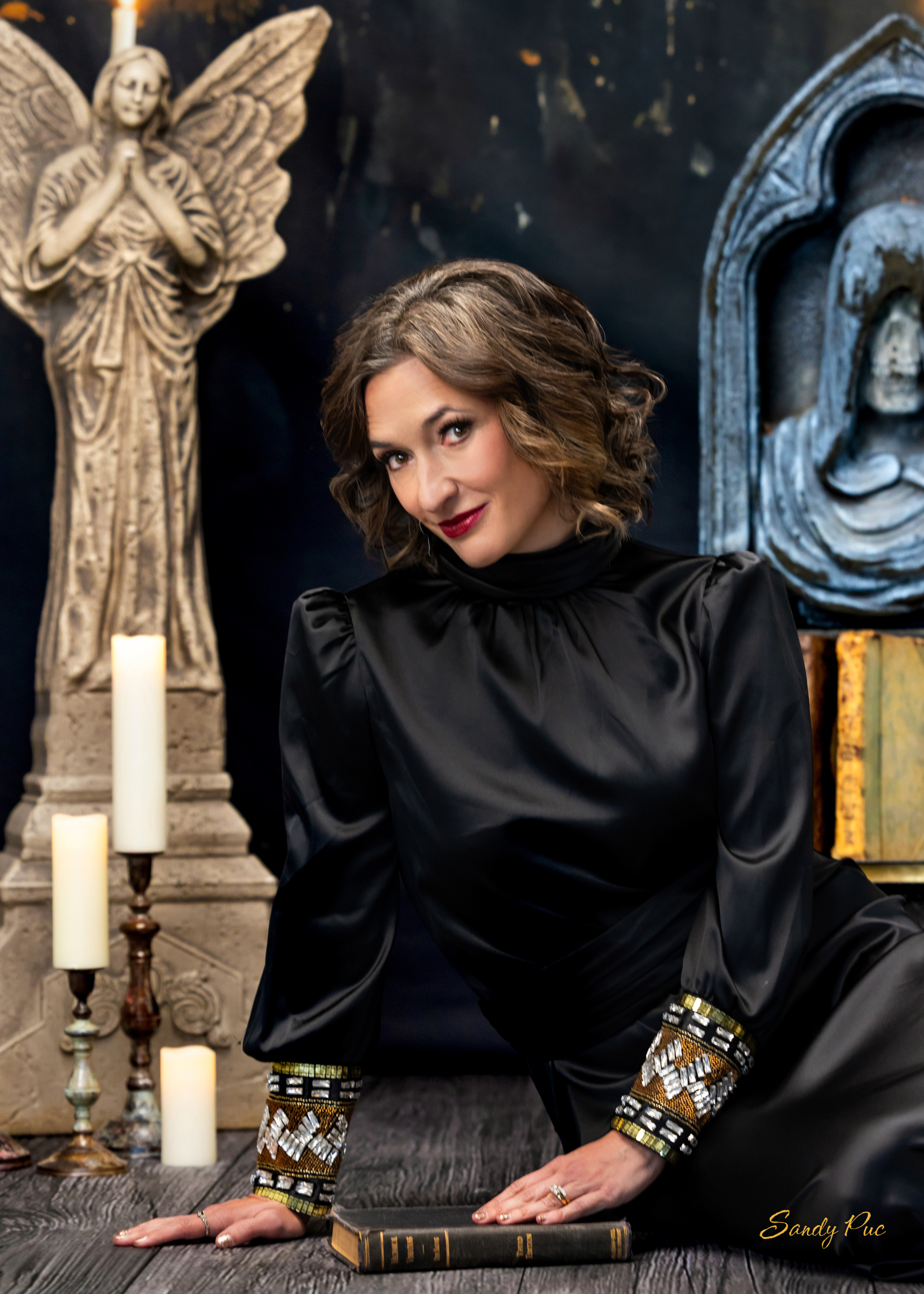 Rachel Horak Dempsey is a writer of dark fiction living in Denver. Her debut novella PN0K0, a retelling of Pinocchio with a terrifying techno twist, is forthcoming from M4L Publishing on June 9, 2026. Her short fiction is available from Creepy Pod, Brigids Gate Press, Timber Ghost Press, Twenty Bellows (Pushcart nominated 2024), Stars and Sabers, and others. Rachel is also the editor of the anthology Horizons 2 from Twenty Bellows. She currently serves on the Executive Board of Rocky Mountain Fiction Writers and appears regularly on the Writers Who Read podcast as a guest host. Rachel holds a BFA in Drama and English from NYU, a Master’s in Journalism from Georgetown and an MFA in Creative Writing from Regis University.