For the past two years, I’ve struggled with writing as a career venture—not because I don’t want to write full time but because I’m exhausted by the constant push for output, recognition, and marketability. I’ve written my epic fantasy novel four times in the past four years (and am currently on track to start another major edit). This struggle stemmed from what the industry has decided mainstream fantasy is “meant to be”.
Whether you’re a querying writer or an emerging self-published author, you’ve inevitably been exposed to the expectations of genre and literature by well-intentioned peers or the internet. Yet the thing no one talks about in publishing is how elastic and ever-changing it is. What’s popular now won’t be trending in 2028. This mentality is precisely why I’m writing the story I want to tell, even if that means it’s technically too long for current market standards or is difficult to sell because it’s experimental and blends three complementary but distinct genres.
It’s easy to lose sight of the art of creation when we’re expected to care about and juggle so many other responsibilities. In the current era, art has taken a backseat to market research, authorial branding, and being present online. If you’re feeling overwhelmed by the business side of writing, have lost your creative spark, or have otherwise felt lost in the grind that the world of publishing demands of you, I encourage you to reflect on your writing journey and how you might tweak your perspective to make it more fulfilling.
These are the reflections I’ve had on writing, publishing, and everything in between in the last year. I hope at least one idea encourages you to look at your creative process differently.
The Market
-
The market is not a science, even if successful authors and publicists argue the contrary.
-
The market is what readers will buy, not what publishers believe will sell.
-
Avoid market trends unless you’re passionate about them; you’re already 18 to 24 months behind the curve if you haven’t already sold your manuscript to a publisher.
Branding
-
Yes, you need an online presence—but it doesn’t have to be on social media. You can “make it” and avoid Instagram, YouTube, or any other place you’d rather not be. Author websites are a great option for regular posts and newsletters. You merely need to be searchable; where you reside on the internet is up to you.
-
You don’t need to have a niche. Write across many genres if that’s what speaks to you. This might require creating various pen names, but you can worry about the marketability of your projects once you’ve polished them.
“Making It”
-
Know what success means to you. Don’t feel pressured into striving for a goal that isn’t yours.
-
Most of us want to be read widely, to make it onto the shelves beside Brandon Sanderson, Colleen Hoover, or John Green. Most of us also won’t reach that level of success. You see, this dream is outside of your control. Your success, after getting an agent and publisher (or uploading your manuscript to a POD-driven distribution site) is down to luck. How is the economy? Is your second chance romance going to go mostly unnoticed because the current rage is enemies to lovers? How much did your publisher (or you) put behind marketing that book? How many influencers posted early reviews in the months leading up to your release? There are so many unknowns that factor into your success. Make sure you aren’t setting yourself up for failure. Shoot for the dream, but keep your main goal attainable.
It’s All About Perspective
-
Consume media (books, films, TV shows, art, etc.) with intention and a critical eye. Let it inform and inspire you.
-
Write the stories you would love to see in the world, regardless of their marketability.
-
Don’t focus on output; not everyone can be as prolific as James Patterson or Stephen King. Harper Lee only published To Kill a Mockingbird in her lifetime. Writing is not a contest but an art. Being slow, compared to other writers, isn’t a sign of your failure as a creative. Take the time you need to finish a fantastic manuscript and don’t compare yourself to the self-published authors releasing three books a year. You are on different paths; own yours.
I’ve spent the better part of the last two years grappling with industry expectations and determining where my eccentricities and unique stories fit into the literary world. I’ve decided not to play by the rules. Maybe that means I'm destined to be a small-time author forever. Or, perhaps it will set me apart from everyone else yelling into the void or writing safe stories because they’re afraid of being different. I encourage you to become your strange, beautiful self and walk the path that feels most natural to you.
[Photo by Amber Herbert]
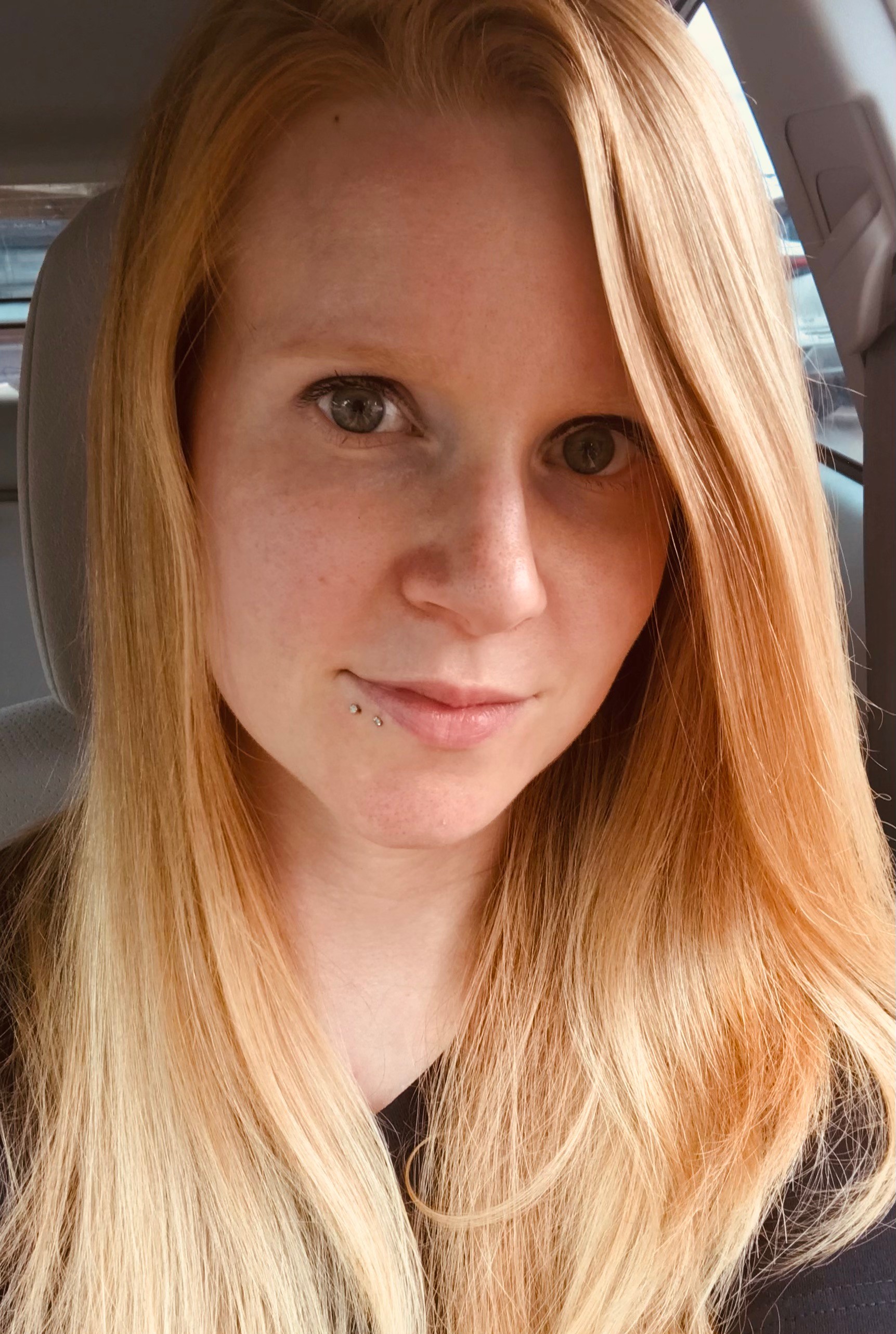
Amber Herbert is a (mostly) speculative fiction writer living in Colorado Springs, CO with her husband and their two gremlins. Lipstick Covered Magnet was her first novel. With a BA in English literature and a decade of experience as an editor, she’s a sucker for poignant, evocative prose and phenomenal character arcs. Her favorite genres are high fantasy with complex worlds and magic systems, heady sci-fi, and atmospheric or psychological horror. When she’s not writing or critiquing literature, TV, and film, she enjoys baking, finding new midwest emo/pop punk bands, playing tabletop games, learning a new song on the drums, and snapping photos. You can find her at https://amberherbert.com/.