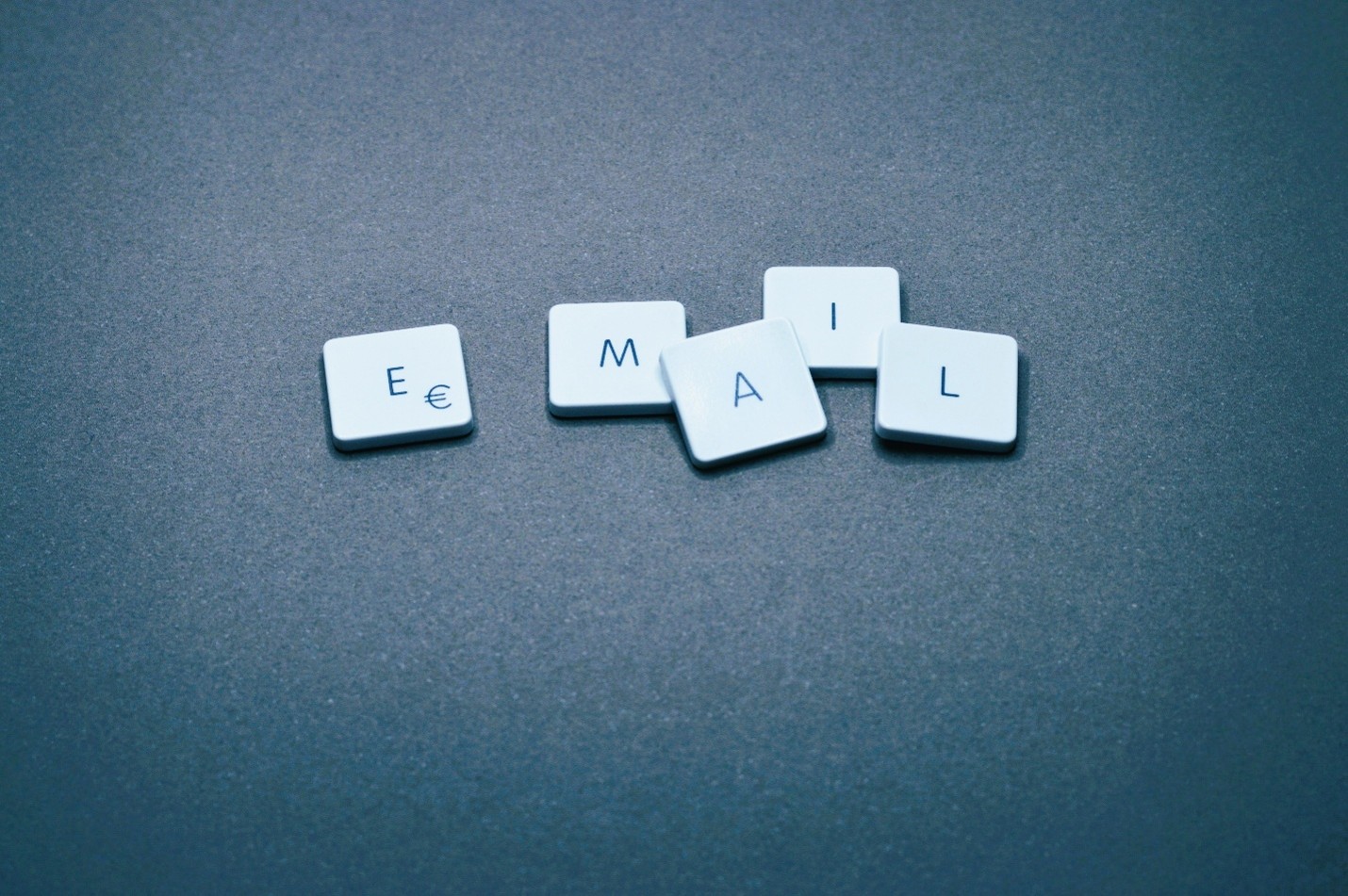
Is it me, or am I seeing an uptick in spam emails since becoming an author? They are more insidious and getting worse every day! I even canvassed some author friends, just to be sure, and now feel safe in saying, “This trend is real!”
Authors are bombarded with a ridiculous number of emails, and criminal spammers are everywhere!...sneaky little devils that they are. They will do any manner of schemes to hook us into taking the bait. They use spam as a tool to scam us out of money, hack into our computers, spam us for books we didn’t write, trick us into thinking our recent body of work is the best thing since sliced bread—which it probably is, but that’s for another blog—or scam us into thinking the number one bestselling author is actually interested in connecting with us.
Flattering for an instant, but beware!
Examples: “we would be honored to feature your work in an upcoming spotlight with our book club…” or “I was struck by the depth and breadth of your book, I see movie potential here… Please contact me…” another, “as I was reading your book, I noticed opportunities around positioning and genre signaling that may be limiting your reach, can we send an outline to show how we can help?”
The most intriguing come from agencies or well-known authors, such as NPR, which said, “We’d be very happy to feature you on an upcoming podcast.” Further research showed that the person who sent the email had retired from NPR a full year earlier! Or author, James Patterson, who said, “Hi, I’d love to connect with you. I found your book inspirational. What are you working on now?” Seriously, does he really want to chat up an unknown author just for grins? On it goes—you get the picture.
And if this wasn’t bad enough…enter Artificial Intelligence.
Spam emails are more sophisticated these days, thanks to AI. The professional look is incredible! A particular email stands out for me. The wording, graphics, logo, and sheer breadth of information about my book were astonishing. I was impressed and (ahem!), I responded. It wasn’t until they offered an astonishing amount of money for the publishing rights that I laughed out loud. A simple Google search and a review on the Writer Beware blog site told me they were a scam agency. The lack of an established website was a dead giveaway as well.
I mention Writer Beware because it kept me from becoming prey to these scammers’ underhanded deeds! Their mission statement: "The official blog of Writer Beware® shines a bright light into the dark corners of the shadow-world of literary scams, schemes, and pitfalls. Also providing advice for writers, industry news, and commentary."
This blog site, sponsored by the Science Fiction and Fantasy Writers Association, offers an invaluable archive of articles identifying the latest scams, including overseas scammers and AI impersonations.
Some articles of interest: “Wolves in Authors’ Clothing: Beware Social Media Marketing Scams,” written in 2024. Or “Return of the Nigerian Prince redux: Beware Book Club and Book Review Scams,” written in 2025. And, “Not Simon & Schuster: Deconstructing an Impersonation Scam,” written in 2026.
Spam is a time stealer!
To be sought after is an ego boost, granted, but it’s time-consuming and endlessly frustrating to filter through the spam. For some, it can also be a confidence-deflator. To be targeted this way is to imply a desperation on our part—or theirs, depending—which I find somewhat insulting.
The honest, unvarnished truth is that, as creatives, we want to be recognized. We want the junk to go away so that legitimate requests can come through. For most of us, we want to know that our marketing efforts are paying off. We want to think that the time we’ve invested in bringing a work of fiction/non-fiction to life is resonating, and that someone out there has noticed.
We ask ourselves: Is this email really a legitimate request to attend a book club event, to discuss our book(s), to appear on a podcast, or to be spotlighted in a feature? Do we take the bait and pay for better positioning of our book on Amazon or Goodreads, or to create book trailers? We wonder, “But if I send all unsolicited emails directly to my ‘spam folder,’ I might miss out on a legitimate opportunity. Right?”
Well, there is no right or wrong answer, I’m afraid.
Once published, our names are out there, and predators will see us as prey. Yes, there are legitimate opportunities sent by unsolicited email for a well-deserved recognition or a request to participate in an event/discussion. But far too many are bogus…which is the sad truth of the matter.
I don’t know the answer; word to the wise—be careful!
~DaMarie
[Photo Courtesy of Miguel Ángel Padriñán Alba on Unsplash.com]
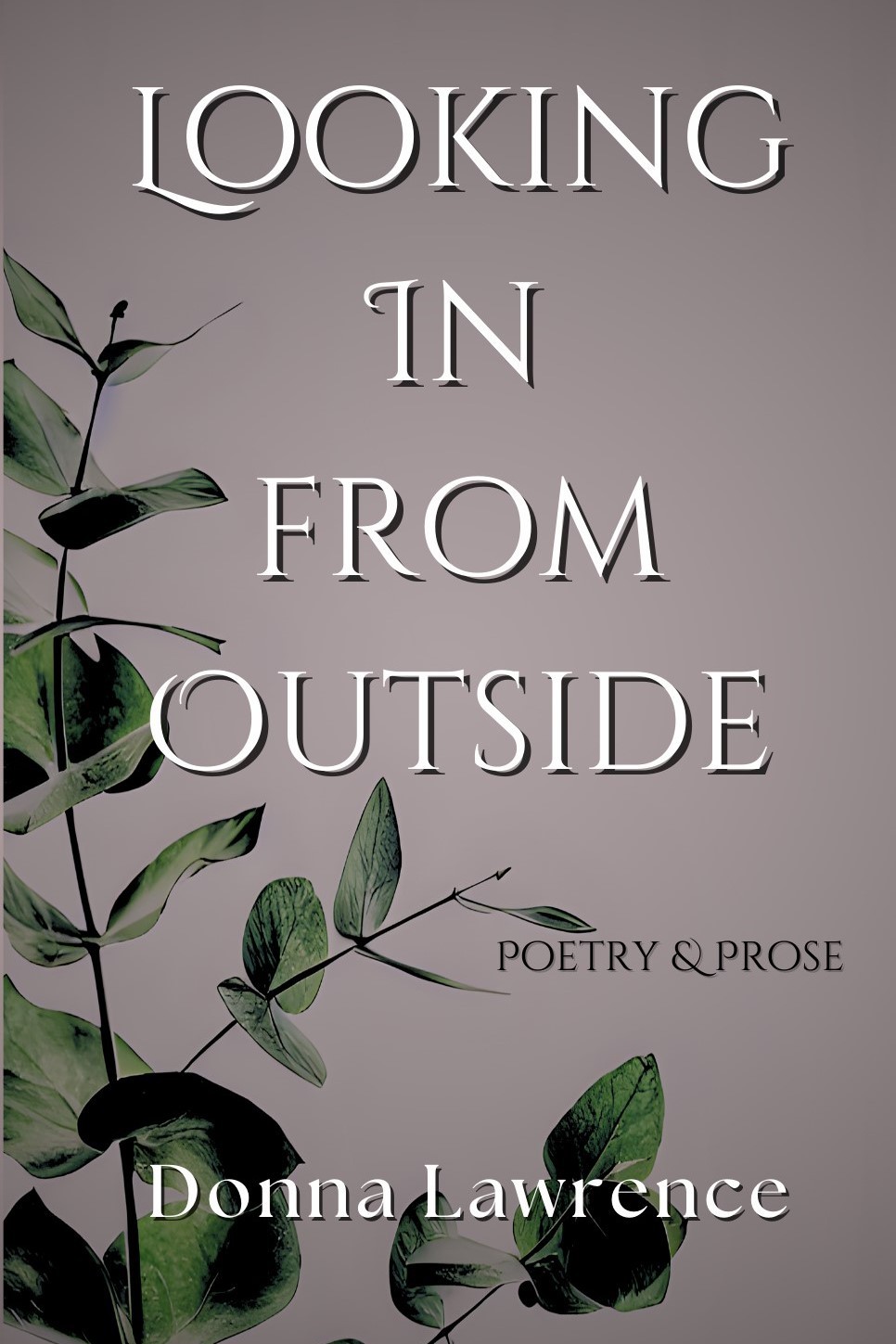
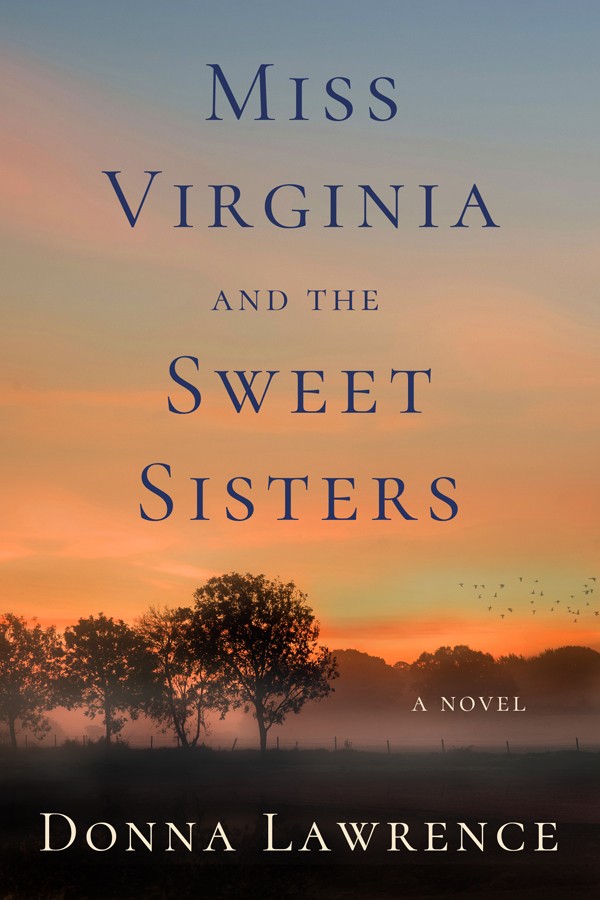
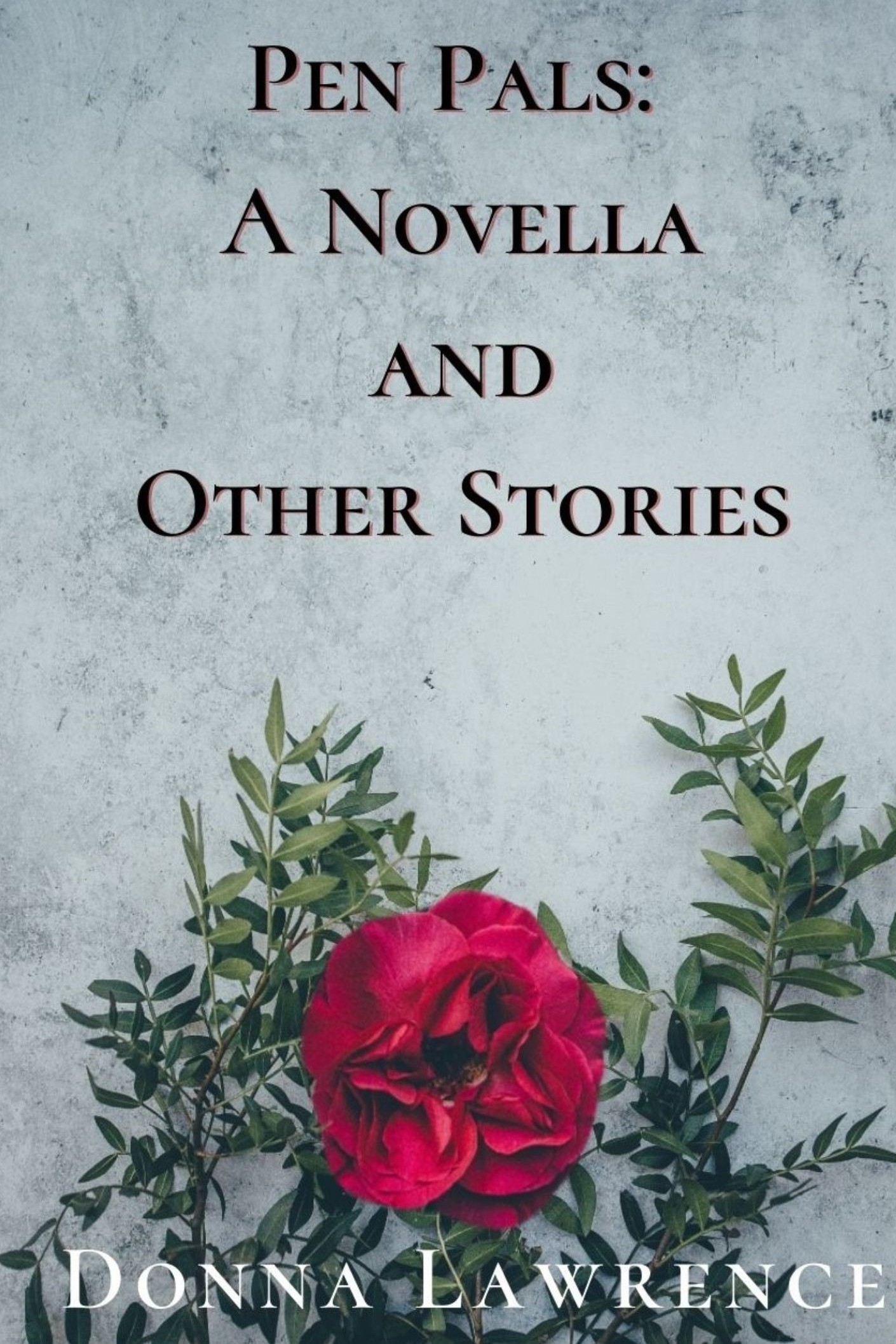
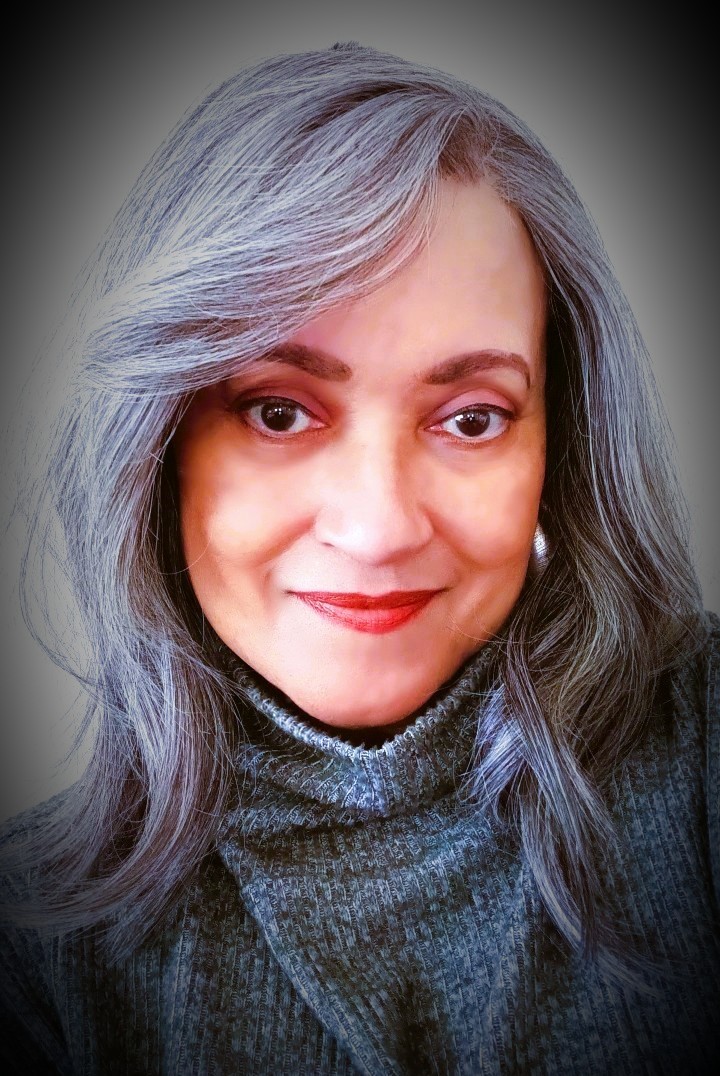 Donna Lawrence is a writer of women’s fiction set in historical periods, often touching on coming-of-age in small-town America, as well as short stories and poetry. She was born and raised in Kentucky and has been a longtime resident of Colorado. Both states hold special meaning, and the many experiences she’s had are ones she draws on in her writing. She also posts monthly on her blog under the nickname DaMarie, providing an outlet when she is not working on her latest manuscript under Colorado’s brilliant blue skies. You can follow her at:
Author Website: https://donnamarielawrence.com
Personal Blogsite: https://weeklydamarie.blogspot.com
Facebook: https://www.facebook.com/donnamarielawrencebooks
Twitter X: https://x.com/Canispek
Instagram: https://www.instagram.com/donnalawrencebooks
LinkedIn: https://www.linkedin.com/in/donna-l-68a64037
YouTube: https://www.youtube.com/@DonnaMarieLawrence712